7 Easy Ways to Build Life Skills For Kids Into Daily Routines
Want to raise confident, capable kids without adding more to your plate? These 7 simple ways to build life skills for kids into everyday routines make it easy.
Life is full of teachable moments, and some of the best life skills for kids are learned right in the middle of the everyday mess.
Here’s the good news: you don’t need to add more to your day to build life skills.
In fact, some of the best learning happens in the small, ordinary moments—what we like to call micro-teaching moments. These are quick, real-life chances to help your kids build confidence, independence, and practical skills just by doing everyday things with you instead of for them.
Let’s look at seven easy ways to build life skills into your current routines—without overcomplicating anything.
7 Ways to Build Life Skills For Kids Into Everyday Moments
1. Let Kids Manage Their Own Morning Routine
Helping your child own their morning routine is a simple way to build life skills for kids like time management, independence, and responsibility.
Your child’s morning routine is more than just brushing teeth and getting dressed—it’s a chance for them to learn how to prepare for the day and build a rhythm they can depend on.
Hang a visual checklist in their room or bathroom with simple steps they can check off each morning. You can also set a (affiliate link) gentle timer or play a favorite playlist to keep them moving along.
Even little choices like picking their outfit the night before or remembering to feed the dog before breakfast help to build real-life readiness.
2. Involve Kids in Packing Their Own Lunches
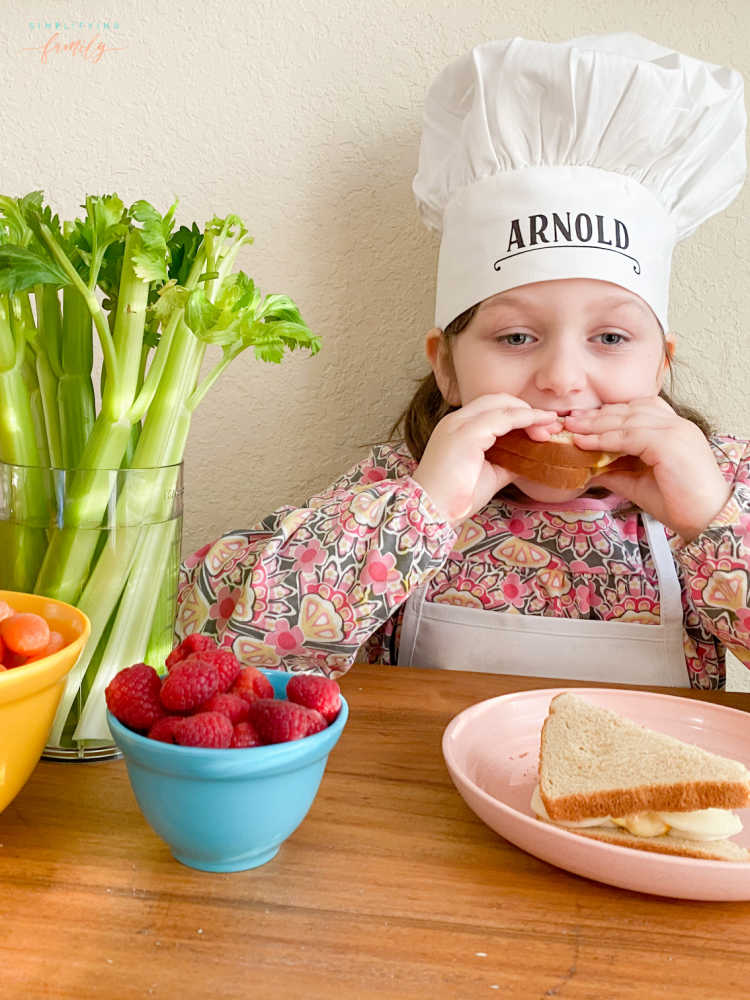
Packing lunches may feel like a chore, but it’s also a chance to build real-life skills for kids like planning, decision-making, and basic nutrition.
Instead of packing lunches solo on autopilot, invite your kids into the process, even if it’s just one small step.
Offer a simple formula to follow:
- 1 protein
- 1 fruit or veggie
- 1 fun snack
Set up a lunch-packing station with bins or drawers so they can grab and go. Older kids can help prep leftovers or portion out snacks into containers.
It's a small way to encourage independence while keeping your mornings running smoothly.
3. Assign Daily Chores That Build Life Skills for Kids
Chores are one of the most effective (and often overlooked) ways to teach life skills for kids right at home. Not only does it teach responsibility, but it also teaches teamwork and how to contribute to the household!
Chores aren’t just about getting help—they’re about giving your child a chance to learn that they’re an important part of the family team.
Assign age-appropriate tasks like setting the table, sweeping under the kitchen chairs, sorting laundry, or watering plants. The key is consistency—a small daily task they can take ownership of.
You’re not striving for perfection; you’re helping them learn how to show up and contribute.
4. Invite Kids Into the Kitchen
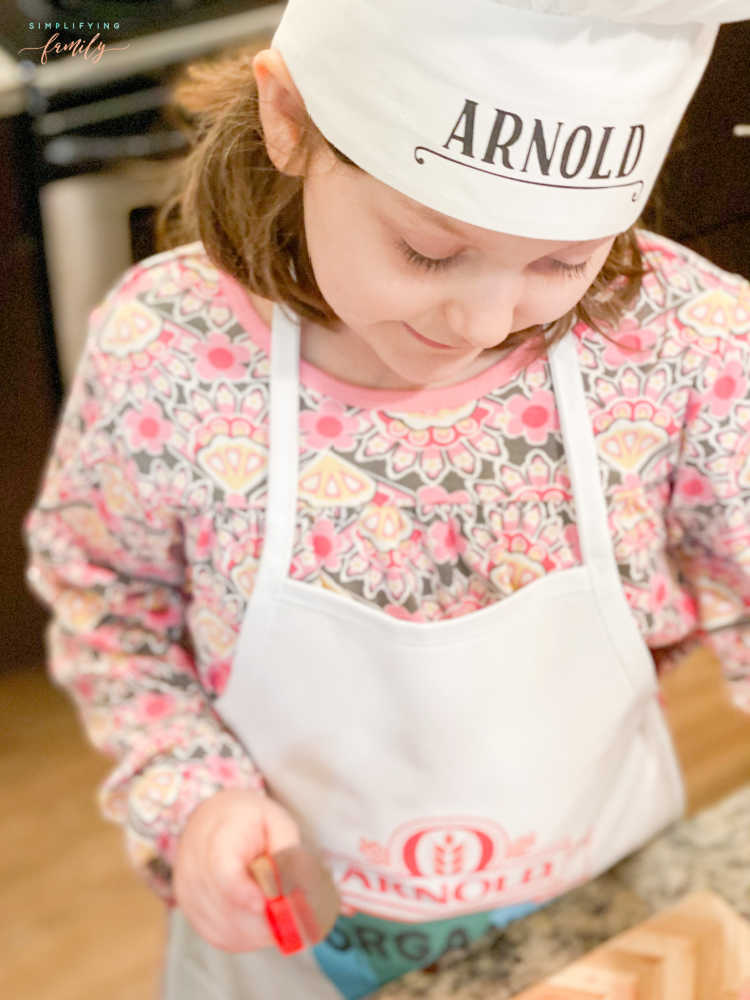
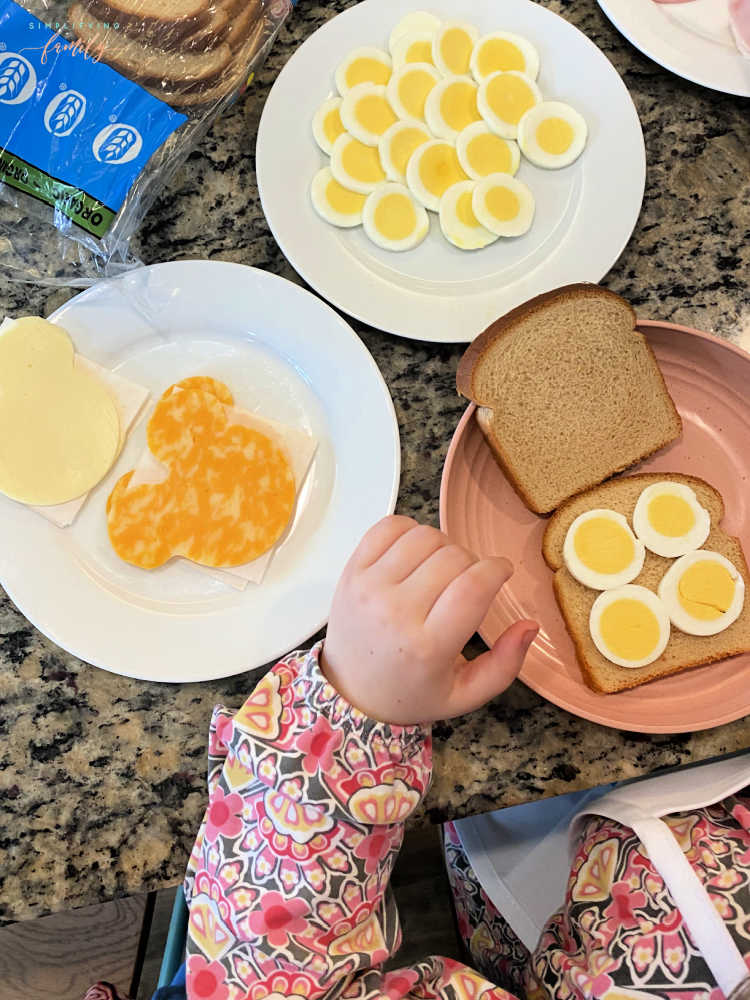
Cooking alongside you, even in small, simple ways, teaches valuable life skills for kids, such as following directions, measuring ingredients, and building confidence in the kitchen. These real-world skills add up to long-term readiness for life outside your home.
Cooking is full of natural life skills. It doesn’t have to be complicated or messy to be meaningful.
Let younger kids wash veggies, stir pancake batter, or tear lettuce for a salad. Older kids can help measure ingredients or follow simple recipes. Assign fun titles like “Sous Chef of the Day” or “Official Taste Tester” to make it fun.
As you cook, talk through your decisions out loud. “I’m adding a little more salt because the broth tastes bland.” That’s real-world problem-solving in action.
5. Let Conflict Be a Learning Opportunity
No one loves sibling squabbles or after-school meltdowns, but these moments are gold when it comes to life skills for kids. Working through conflict teaches emotional regulation, communication, and how to problem-solve with others—skills they’ll use for the rest of their lives.
Instead of jumping in, ask:
- “What do you think we can do to fix this?”
- “Can you tell me what you need right now?”
- “What would be fair for both of you?”
You’re not letting things slide—you’re helping your child think critically and practice empathy.
Create a calm-down space or “peace place” they can go when they’re overwhelmed. It’s a tool that teaches self-regulation in real time.
6. Build in Decision-Making Opportunities
Giving your kids the chance to make small decisions helps develop life skills like confidence, autonomy, and critical thinking.
Letting kids make small choices gives them practice thinking through decisions, weighing options, and owning the outcome.
Offer two options:
- “Do you want to start your homework now or after your snack?”
- “Would you rather take a bath or a shower tonight?”
When kids get used to making choices in low-stakes moments, they become more confident in tackling bigger decisions later.

7. Celebrate Progress Over Perfection
Teaching life skills doesn’t mean your child will get it right the first (or tenth) time. And that’s okay!
Perfection isn’t the goal. Progress is the goal. Helping your child see mistakes as part of learning nurtures life skills like resilience, a growth mindset, and healthy self-awareness. These are the skills that shape how they show up in the world, long after childhood.
Instead of focusing on whether the sandwich was packed perfectly or the room was cleaned just so, point out the effort:
- “I love how hard you worked on this.”
- “You remembered the steps all by yourself!”
- “That was kind of tricky, but you kept going. That’s what matters.”
Your encouragement helps them stay curious and motivated to keep trying—and that's the skill that will carry them the farthest.
You’re Already Doing More Than You Think
Raising confident, capable kids doesn’t require fancy systems or hours of extra time. It’s about noticing the everyday moments you already have and inviting your kids into them.
You’re not just getting through the day.
You’re raising future adults.
And every small, simple moment counts.
And you’re leading the way, one small moment at a time.